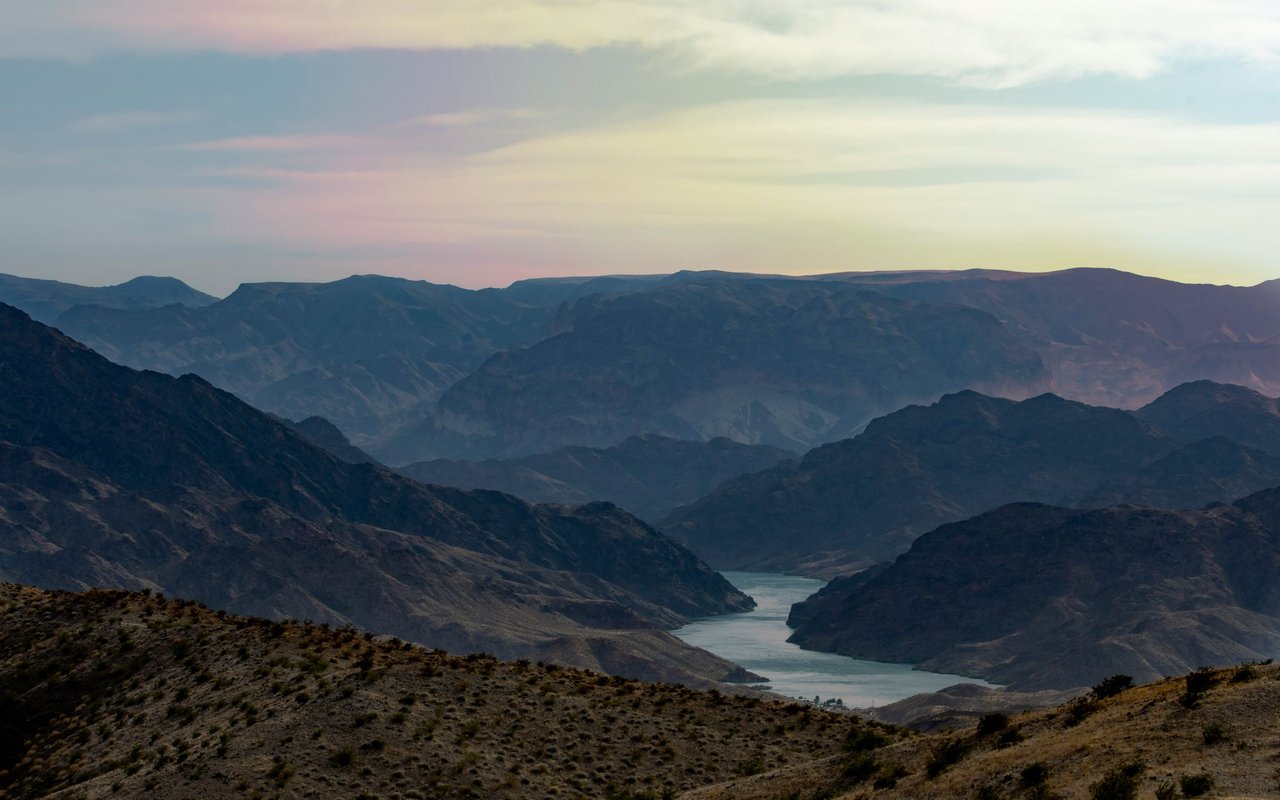
Picture quiet mornings with sun on the mesas, the smell of peaches in the air, and a short drive to big-city services when you need them. If you are curious about Palisade, you are likely weighing small-town ease with access to jobs, shopping, and healthcare in Grand Junction. In this guide, you will learn about commute times, daily essentials, housing options, schools, outdoor fun, and what life feels like through the seasons. Let’s dive in.
Palisade at a glance
You live in a small Western Slope town set in the Grand Valley along the Colorado River corridor. Palisade is known for orchards and vineyards, with a walkable Main Street and a few thousand residents. The elevation sits in the mid-4,000s feet, so you get strong sun, cool nights, and four true seasons. The landscape mixes irrigated farmland with nearby canyons, mesas, and river access.
Commute and travel
Most residents commute by car to Grand Junction for work, services, and shopping. Expect about 15 to 30 minutes depending on start and end points, road conditions, and traffic. You typically use I-70 and local highways, and winter storms can add time during snow events.
Regional transit connects Palisade with nearby communities, and some routes or demand-response options serve commuters. Driving remains the most common choice, but biking and carpooling are possible for some routines. For longer trips, Amtrak stops in Grand Junction and the regional airport (GJT) is a short drive from town.
Daily essentials
You will find small groceries, markets, and farm stands in town, plus tasting rooms and seasonal vendors. For big-box stores and broader retail, you will drive to Grand Junction. Primary care may be available nearby, while hospitals and specialty care are in Grand Junction.
Utilities include town water and sewer inside municipal limits. Rural parcels often use wells and septic systems. Electricity and natural gas service depends on location. High-speed internet is available in town and many subdivisions, with some rural areas relying on fixed wireless or satellite. Always verify address-level availability.
Police, fire, and EMS cover the area through town and county providers, though response times to remote properties can be longer than in-town.
Homes and prices
What you will find
- Town core: Older, small-lot single-family homes with western and ranch styles near shops and services.
- Newer subdivisions: Modern single-family homes in small developments built over the last 10–20 years.
- Rural acreage: Orchards, vineyards, and larger parcels with farmhouses, barns, and outbuildings.
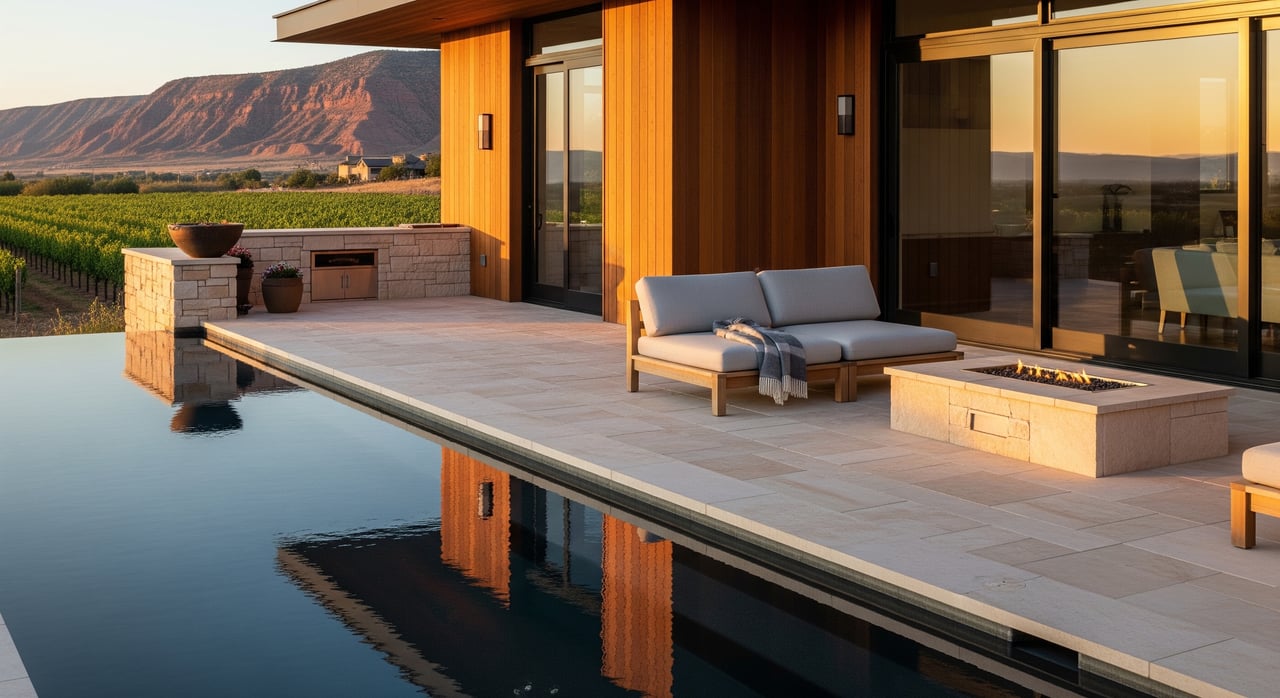
- Specialty properties: Vineyard estates, riverfront homes, and valley-view sites, sometimes with ag infrastructure.
- Condos and townhomes: Limited compared to Grand Junction, with a handful around town and near the river.
Price overview
Approximate ranges as of recent years show entry-level homes and condos in the low to mid hundreds of thousands. Typical single-family homes in town often land in the mid to high hundreds of thousands. Premium riverfront and vineyard estates can run from the high six figures into the millions, depending on acreage, improvements, and any commercial equipment. Inventory is smaller than in Grand Junction, and demand for desirable settings can push prices above regional averages.
Buyer checks
- Zoning and land use: Confirm agricultural zoning, allowed uses, and any easements.
- Water and irrigation: Understand water rights, ditch access, and irrigation district assessments.
- Floodplain: Review flood maps for river and canal proximity and get insurance quotes.
- Short-term rentals: Licensing and local rules can apply; confirm current requirements with the town.
- Ag operations: Active orchards and vineyards require ongoing labor and costs. Plan for maintenance.
- Financing: Agricultural or mixed-use properties may need lenders experienced with rural/ag loans.
Schools and education
Palisade has local public K–12 options, including an in-town high school. District boundaries, enrollment, and program offerings change, so verify details with the school district and the Colorado Department of Education. Nearby Grand Junction offers additional public, private, and charter choices, plus higher education programs.
Use official sources for current data on test scores, class sizes, extracurriculars, and special programs, including career and technical education or Advanced Placement.
Wine, orchards, seasons
Palisade markets itself as Colorado wine country and is famous for peaches. You will see U-pick farms, tasting rooms, and seasonal events, especially during late summer and fall. Spring brings pruning and bloom, summer focuses on irrigation and growth, and harvest activity ramps up in late summer and early fall.
Tourism is most active in warm months and during festival periods. Winters feel quieter, which many residents enjoy.
Outdoor recreation
You are a short drive from the Colorado National Monument, with striking views, hiking, and climbing. The Colorado and Gunnison river corridors offer fishing, kayaking, rafting, and riverside trails. Nearby mesas and canyons support hiking, mountain biking, and off-road routes. For alpine terrain, you can head to higher elevations on the Grand Mesa and other ranges. Ski areas are a couple of hours away, while local winter recreation includes snowshoeing in nearby high country.
Climate and risks
The climate is semi-arid with hot summers, low humidity, and cool nights. Winters are relatively mild at valley elevations, with periodic snowfall. Agriculture depends on irrigation, and water rights are a key factor for rural landowners.
Western Colorado faces variable heat and drought conditions. Seasonal wildfire risk can bring smoke and fire restrictions. If you are buying, review local mitigation guidance and consider a property-level risk assessment.
Who this town fits
Palisade fits if you want a small-town setting with quick access to Grand Junction. It also suits buyers who value agritourism, local food, and a community tied to orchards and wine. Outdoor lovers appreciate the mix of river access, canyon trails, and nearby alpine escapes. Commuters who prefer a quieter home base close to regional jobs also find it appealing.
Next steps
- Drive the commute during your typical hours to test timing and routes.
- Verify internet service, utilities, and irrigation details at the property level.
- Pull hazard maps for wildfire and flood and get insurance quotes.
- If you want acreage or vines, speak with a lender experienced in rural or agricultural financing.
- Check current town rules for short-term rentals and any licensing or taxes.
- Line up inspections that cover wells, septic systems, irrigation, and ag structures when relevant.
Ready to explore Palisade homes or talk through your plan? Reach out to Josh Mcguire to see active listings or set up a quick market consult.
FAQs
How far is Palisade from Grand Junction?
- Plan on about 15 to 30 minutes by car, depending on start and end points, traffic, and winter road conditions; regional transit exists, but most residents drive.
What are typical home prices in Palisade?
- Entry-level homes and condos often land in the low to mid hundreds of thousands, typical single-family homes in the mid to high hundreds, and premium riverfront or vineyard estates can reach the millions; check current listings for up-to-date pricing.
Are there public schools in Palisade?
- Yes, there are local K–12 options including a high school; verify boundaries, programs, and performance with the district and the Colorado Department of Education.
What is the climate like in Palisade?
- Expect a semi-arid climate with hot summers, cool nights, low humidity, and relatively mild winters with periodic snowfall.
Is there wildfire or flood risk near Palisade?
- Western Colorado has seasonal wildfire risk and some river-adjacent parcels fall in mapped floodplains; review hazard maps and obtain insurance quotes during due diligence.
Can I run a vineyard or short-term rental from my property?
- Possibly, but operations are regulated; confirm zoning, irrigation and water rights, any state licensing for wine production, and the town’s short-term rental rules before you buy.