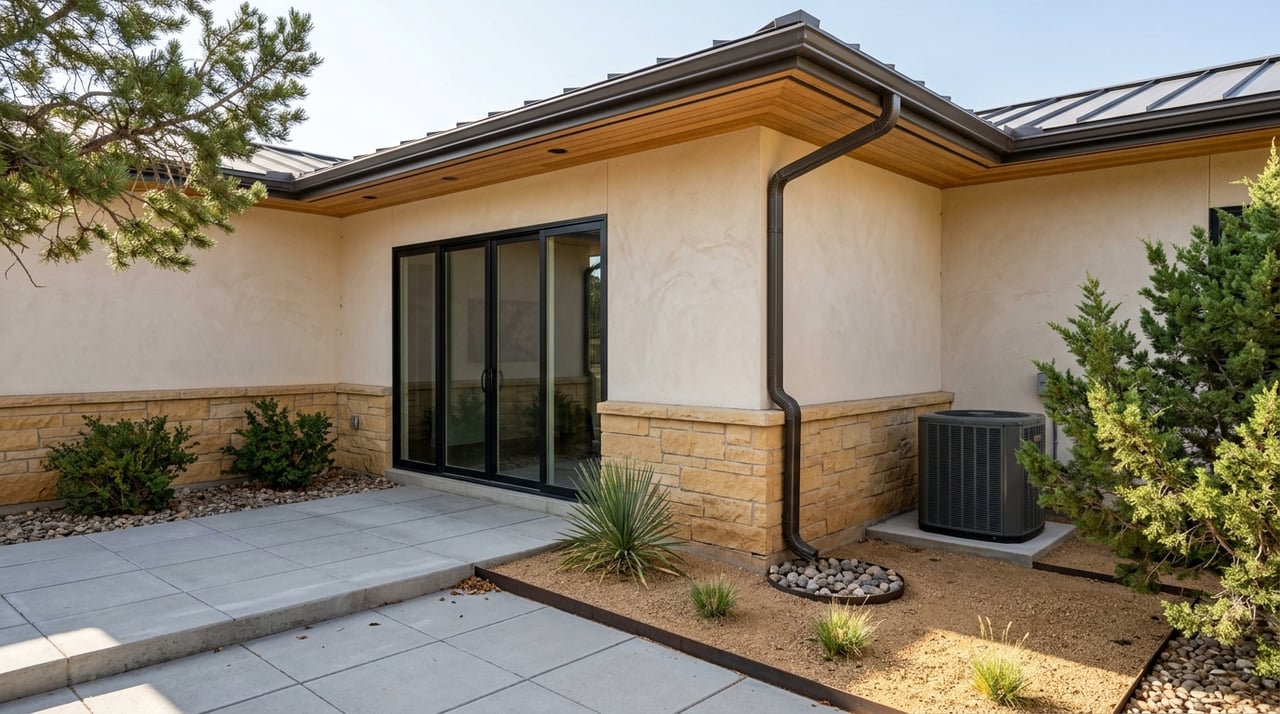
If you want your Palisade home sale to stay on track, appraisal and inspection prep can make a real difference. These two steps look at different things, and both can affect your timeline, repair talks, and buyer confidence. The good news is that a little focused prep before you list can help you avoid preventable surprises and keep your sale moving. Let’s dive in.
Why appraisal and inspection matter
An appraisal and a home inspection are not the same thing. The Consumer Financial Protection Bureau explains that lenders generally require an appraisal, while the inspection is a separate step that can still lead to repair requests or even contract cancellation depending on the contract.
For you as a seller, that means preparation should cover both value and condition. In Palisade, where many homes have been owned for a long time, visible maintenance items and clear records can carry extra weight during the transaction.
What appraisers look for
According to Fannie Mae appraisal guidance, appraisers complete a visual inspection of the accessible interior and exterior areas and report the property’s condition in factual, specific terms. They look at the property as a whole, not just the nicest updates or the most worn spots.
That is why visible maintenance issues matter more than cosmetic staging alone. A clean and attractive home helps, but unresolved condition problems can still affect how the appraiser reports the property.
Focus on visible condition
Fannie Mae’s Selling Guide notes that minor issues like worn floors, small plumbing leaks, holes in screens, and cracked window glass may still be allowed in an as-is appraisal, but they must be reported. More serious issues such as active roof leaks, water seepage, foundation settlement, major plumbing defects, or inadequate electrical service can trigger a subject-to-repair appraisal.
If you are deciding where to spend money before listing, start with issues tied to safety, structure, moisture, and major systems. Those items are far more important than decorative upgrades when the goal is a smoother appraisal.
Verify permits for additions and remodels
If your home has an addition, finished space, ADU, or major remodel, gather your paperwork early. Fannie Mae says the appraisal must comment on unpermitted additions or improvements and analyze any effect on value or marketability.
In practical terms, you should pull together permits, contractor invoices, and any supporting documents before your home goes live. That gives you a cleaner story for the appraiser and fewer questions later.
What inspectors usually check
A standard home inspection is a general visual review of the current condition of the house. As outlined in this home inspection overview, inspectors typically review plumbing, electrical, heating and cooling, attic and visible insulation, ventilation, siding, windows, doors, roofs, attached garages, foundations, and visible structures.
The same guidance also notes that inspectors usually do not inspect septic systems, wells, underground piping, swimming pools, or inaccessible areas. If your property uses a well or septic system, separate inspections may be worth planning in advance.
Access matters more than most sellers think
Inspectors and appraisers can only comment on what they can access. That means you should clear a path to the attic hatch, crawlspace, electrical panel, furnace, water heater, garage, utility shutoffs, and key exterior service areas before the appointment.
This step is simple, low-cost, and often overlooked. Better access helps the process move faster and reduces the chance of delayed follow-up questions.
Common issues in older Palisade homes
Palisade has a meaningful share of older residents and long-held homes. Mesa County’s Palisade profile reports a median age of 50.7 and says 59.7% of households include a resident age 60 or over. That local context suggests many sellers may be preparing homes with longer ownership histories, older components, or a mix of updates completed over time.
In homes like these, the most common findings are often manageable rather than dramatic. Based on the appraisal and inspection guidance in the research, issues that tend to show up include:
- Roof wear
- Minor plumbing leaks
- Moisture concerns
- Broken window glass or damaged screens
- Missing handrails
- Dated or strained electrical components
- Plumbing components that show age
- Pest or dry-rot concerns
None of these automatically stops a sale. But if they are visible, buyers and lenders may expect them to be addressed, explained, or reflected in the deal terms.
Repairs worth doing before you list
If you want to avoid a long repair addendum or a delayed closing, focus first on the items most likely to raise red flags.
Highest-priority fixes
Based on Fannie Mae’s property condition guidance, these issues deserve top priority before appraisal and inspection:
- Active roof leaks
- Foundation movement or settlement concerns
- Moisture intrusion or water seepage
- Major electrical defects
- Major plumbing defects
- Broken windows
- Missing handrails
- Damaged screens and other visible wear items
If you cannot repair everything, start with anything tied to structure, water, and safety. Those are the items most likely to affect the appraisal outcome or trigger buyer concern.
Low-cost steps that help buyer confidence
Not every useful pre-listing project is expensive. Some of the best prep work is simple and practical:
- Declutter utility and mechanical areas
- Clear access to attic, crawlspace, and service panels
- Clean up leaves and debris from roofs and gutters
- Remove combustibles stored close to the house
- Organize permits, warranties, service records, and repair receipts
These steps do not change your square footage or location, but they can make your home easier to evaluate and easier for buyers to understand.
Don’t skip Colorado-specific checks
In Palisade, it makes sense to prepare for local conditions that buyers may ask about.
Radon testing before listing
Radon is one of the most important pre-listing checks in Colorado. The Colorado Department of Public Health and Environment says radon is the leading cause of lung cancer among non-smokers and that about half of Colorado homes are above the EPA action level of 4 pCi/L.
CDPHE recommends testing every home, even if a mitigation system is already in place. The agency also notes in its radon FAQ that short-term test kits can work well during a real estate transaction, and mitigation for an existing single-family home typically costs about $1,300 to $3,000, with many systems around $1,000 to $2,000 depending on conditions.
For many sellers, testing before listing is a smart move because it can help you handle the issue on your schedule instead of in the middle of contract negotiations.
Wildfire-related exterior prep
Palisade’s Western Slope setting also makes exterior wildfire prep worth folding into your checklist. The Colorado Division of Homeland Security and Emergency Management recommends clearing leaves and debris from roofs and gutters, keeping combustibles away from the house, and creating a 30- to 100-foot safety zone around the home.
The guidance also supports practical tasks like moving firewood away from the structure, trimming branches near the roofline and chimney, and reducing debris close to the home. These steps can improve exterior presentation while also addressing a real regional risk.
What documents to gather early
Paperwork matters more than many sellers expect. If you can answer questions quickly and back up past work, you reduce uncertainty for buyers, appraisers, and lenders.
A good seller file may include:
- Repair and maintenance records
- Roof, HVAC, plumbing, or electrical service receipts
- Permits for additions, finishes, or remodels
- Contractor invoices and warranties
- Radon test results and mitigation paperwork
- Well or septic records, if applicable
It also helps to review Colorado’s commission-approved Seller’s Property Disclosure forms so you know what information you may need to provide. The current forms page includes the residential disclosure form for use on and after January 1, 2026.
A simple prep plan for Palisade sellers
If you want a clear game plan, use this sequence before listing:
- Walk your home like a buyer would and note visible defects.
- Repair major issues involving roof, water, foundation, plumbing, or electrical systems.
- Fix smaller visible items like broken glass, damaged screens, and missing handrails.
- Clear access to all major systems and service areas.
- Test for radon and keep the results handy.
- Gather permits, warranties, invoices, and service records.
- Tidy exterior debris and address basic wildfire-related maintenance.
- Ask for practical listing advice before putting the home on the market.
This kind of prep will not guarantee a perfect appraisal or inspection. What it can do is reduce avoidable friction and help your home present as well-maintained and straightforward to evaluate.
When you are ready to list, Josh Mcguire can help you focus on the repairs and prep steps that matter most for a smoother, more efficient sale in Mesa County.
FAQs
What is the difference between an appraisal and a home inspection for a Palisade home sale?
- An appraisal is generally required by the lender to support value, while a home inspection is a separate visual review of the home’s condition that can lead to repair negotiations or contract changes.
Which repairs matter most before an appraisal in Palisade?
- The highest-priority repairs are active roof leaks, foundation concerns, moisture intrusion, and major electrical or plumbing defects, because these issues can trigger a subject-to-repair appraisal.
What issues commonly show up during inspections of older Palisade homes?
- Common findings include roof wear, minor leaks, moisture issues, broken glass, damaged screens, missing handrails, and older electrical or plumbing components.
Should you test for radon before listing a home in Palisade?
- Yes, CDPHE recommends testing every home in Colorado, and testing before listing can help you avoid a late surprise during negotiations.
What documents should you gather before a Palisade appraisal and inspection?
- Gather permits, contractor invoices, warranties, repair receipts, service records, radon results, and any mitigation paperwork so you can support disclosures and answer questions quickly.
Do you need separate inspections for wells or septic systems in Palisade?
- If your property has a well or septic system, a separate inspection may be helpful because standard home inspections generally do not include those systems.