If you are thinking about living in Fruita, the biggest question is usually simple: what does everyday life actually feel like here? You are not just looking for a map dot near trails or a pretty view on the weekend. You want to know whether Fruita offers the kind of daily rhythm that makes it easy to work, unwind, get outside, and feel connected to the community. Let’s dive in.
Why Fruita Stands Out
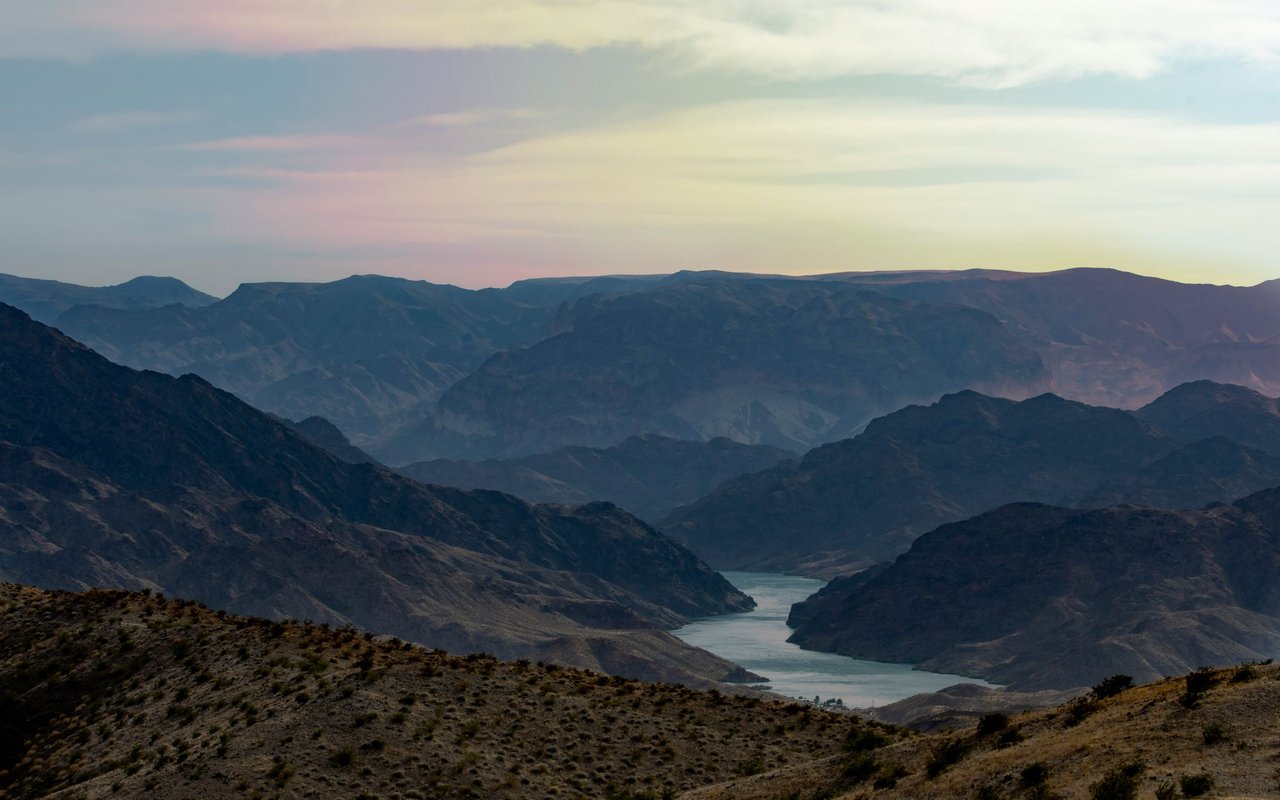
Fruita has an outdoors-first identity that is easy to see in daily life. The city describes itself as sitting at the base of Colorado National Monument and McInnis Canyons National Conservation Area, with the Colorado River running through town. It also highlights a lifestyle built around recreation, farming, arts, and community events.
That matters if you want more than occasional access to nature. In Fruita, outdoor recreation is not something you plan far in advance. It is part of the local routine, whether that means walking a trail after work, heading downtown for an event, or spending a morning on the river.
Outdoor Access Feels Built In
One of Fruita’s biggest lifestyle advantages is how close recreation is to normal neighborhoods and daily errands. The city maintains about 10 miles of hard-surface trails, including the Monument View section of the Riverfront Trail and connections toward the Kokopelli trail system. That helps make outdoor access feel woven into town instead of pushed to the edges.
For mountain biking, Fruita has a reputation that reaches well beyond Mesa County. The Bureau of Land Management says the North Fruita Desert and Kokopelli trail systems offer some of Colorado’s most playful riding, and the North Fruita Desert recreation area includes more than 250 miles of designated recreation routes.
If you hike, sightsee, or simply like a dramatic backdrop, Colorado National Monument is part of the appeal. The National Park Service describes Rim Rock Drive from the Fruita side as a 23-mile scenic route with 19 signed viewpoints and 14 hiking trails. The monument also offers opportunities for bicycling, birdwatching, photography, night-sky viewing, and rock climbing.
River Life Is Part of Fruita Too
Fruita’s outdoor lifestyle is not limited to desert trails and red rock views. Water access is another real part of daily life here, especially around the Fruita section of James M. Robb Colorado River State Park.
Colorado Parks and Wildlife says this area includes a boat launch on the Colorado River, stocked fishing lakes, camping, and a concrete trail connection to the Riverfront Trail. For you, that can mean easy access to a quick evening walk, a fishing stop, or a full day on the water without a long drive.
The river also plays into Fruita’s identity as an active outdoor town. The Bureau of Land Management describes the Ruby-Horsethief section as a 25-mile mostly flat-water stretch with some Class I and II rapids. Day use does not require a permit, while overnight camping permits are required, which shows how the river supports both casual recreation and more planned outings.
Downtown Fruita Has a Real Community Feel
Some outdoor towns feel great on the edges but quiet or scattered in the center. Fruita has a different feel. Downtown works more like a compact civic hub than a large commercial district, which gives everyday living a stronger sense of connection.
Civic Center Memorial Park sits downtown next to the Civic Center and hosts some of the city’s signature events, including Thursday Night Concerts and the Mike the Headless Chicken Festival. The city also says it hosts and permits more than 40 community events and festivals each year.
That kind of programming gives the town a more active rhythm than you might expect for its size. The city’s Summer Activity Guide highlights art classes, swim lessons, free live music, movies in the park, and other community programming. If you want a place where there is often something happening without needing to drive into a larger city, Fruita checks that box.
Everyday Errands Are Simple
Outdoor appeal is important, but daily convenience matters too. Fruita offers practical amenities that support full-time living, not just weekend recreation.
The North Mulberry Street Outdoor Plaza is one example. The city describes it as a place where you can walk downtown, grab a bite, spend time outdoors, and support local businesses, with bike racks and pedestrian use built into the design.
The Fruita Community Center is another major part of daily life for many residents. The city says this 55,000-square-foot facility includes indoor and outdoor pools, a gym, a fitness area, meeting rooms, a senior center, and the Fruita Branch of the Mesa County Public Library.
Transportation stays practical and small-town. Downtown parking is free, although the city asks people to keep it to two hours, and Grand Valley Transit offers daily bus service to Grand Junction every day except Sunday for a $1.50 single ride fare. The city also uses wayfinding routes and pavement markings to guide pedestrians and cyclists onto quieter streets.
If you are relocating from outside the area, Fruita is also realistic from a travel standpoint. The city says Grand Junction Regional Airport is about a 17-minute drive away, which helps keep Fruita connected without losing its smaller-town feel.
What Homes in Fruita Look Like
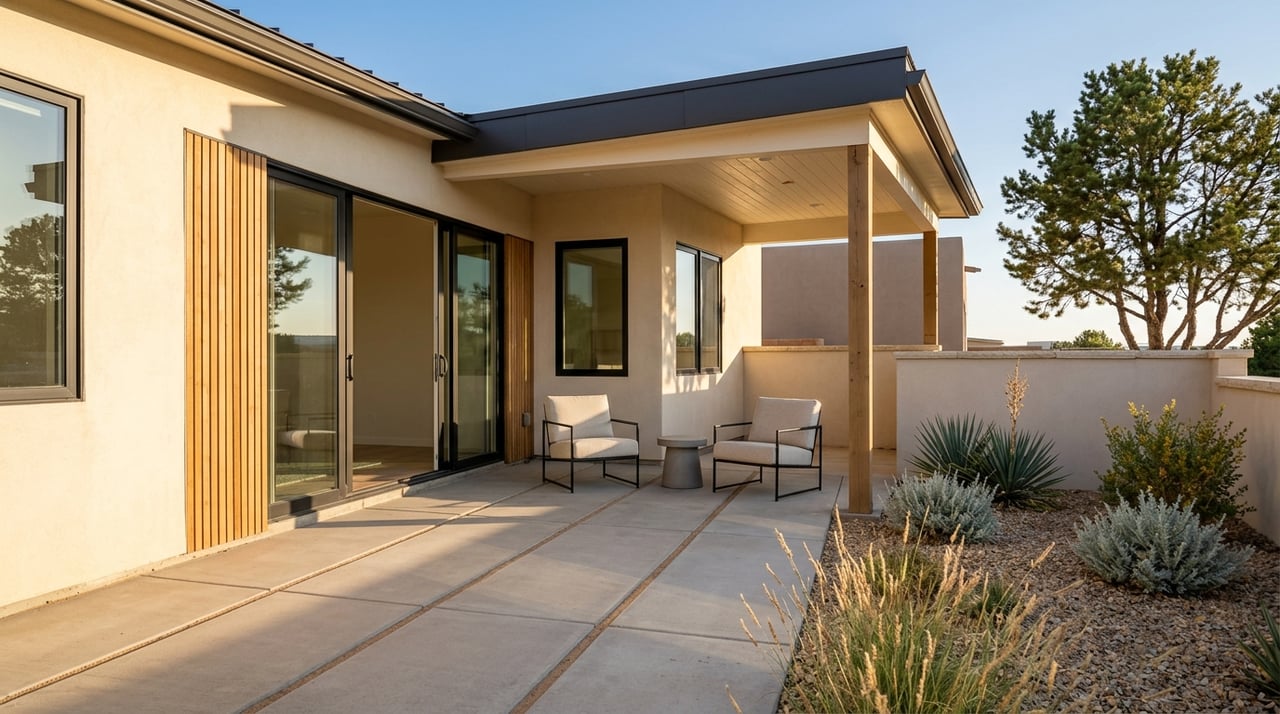
If you are comparing Fruita with other Mesa County communities, it helps to be clear about the housing mix. Fruita is still mostly a single-family home market.
According to the city’s housing needs assessment, about 85% of housing units are one-unit structures, and homeownership is about 81%. The same report says 75% of new units permitted from 2020 through July 2025 were single-family dwellings.
That means your search will likely focus on detached homes, especially if you want the most common inventory type. For buyers who picture a typical Fruita home search, that usually means looking at established or newer single-family neighborhoods first.
Acreage and Private Lake Access Near Fruita
If Fruita’s outdoor lifestyle appeals to you but you want more room for gardening, recreation gear, or simply space between homes, consider nearby Mack as part of your search. Compare the setting with your daily needs, including trips into Fruita, land upkeep, irrigation, and any neighborhood rules.
For a concrete example, 826 Slickrock Drive in Mack combines 2.96 irrigated acres with private neighborhood lake access. The lake offers opportunities for fishing, paddling, wakeboarding, and jet skiing, bringing another dimension to an outdoor-focused home search near Fruita. This is shared neighborhood lake access; buyers should review the access rights and current lake-use rules as part of their due diligence.
The surrounding area also puts Hawkeye Trailhead, Rabbit Valley, and Highline Lake within reach for exploring Western Colorado. If your ideal home base includes acreage and access to both trails and water, looking beyond Fruita’s in-town neighborhoods can help you find a property that fits the way you want to live.
Smaller Housing Options Are Growing Slowly
Fruita does have some townhome, apartment, and accessory dwelling unit activity, but it is a smaller part of the overall housing story. That is important if you are hoping for lower-maintenance or more budget-flexible options.
The Fruita Housing Authority says Fruita Mews is a 50-unit townhome-style affordable project. It also notes that The Oaks is planned as a 62-unit rent-restricted apartment redevelopment with one-bedroom and two-bedroom units aimed at workforce households.
The city has also expanded where accessory dwelling units are allowed after a 2020 zoning update. Its ADU program notes that a fee-waiver and assistance program is expected in mid-2026. Even so, the broader picture remains the same: Fruita’s smaller-format options are growing, but detached homes still dominate the market.
What Buyers Should Expect on Price
For many buyers, the practical question is cost. Based on the available data in the research, Fruita generally sits in the high-$400,000s to low-$500,000s for many homes.
The city’s housing needs assessment puts the average-priced home at about $536,000. Redfin’s May 2026 snapshot reports a median sale price of $482,211 and a median 29 days on market, while Realtor.com’s March 2026 snapshot shows a median listing price of $539,000, 171 homes for sale, and a median 40 days on market.
Because those sources use different measurement windows, it makes more sense to treat them as a range rather than one exact number. For you, the takeaway is straightforward: Fruita is not the lowest-cost option in Mesa County, and planning around the upper-$400,000s into the low-$500,000s is a realistic starting point for many home searches.
If you are comparing renting versus buying, Realtor.com reports a median rent of about $1,900 per month. That can be useful when you are weighing monthly costs, timing, and what kind of property fits your next move.
What Daily Living in Fruita Really Feels Like
The best way to understand Fruita is to think of it as a small town where recreation, community events, and practical daily living all overlap. You are close to trails, river access, scenic public land, and a downtown that actually gets used for events and everyday stops.
At the same time, the housing market is grounded in reality. Most homes are still detached houses, smaller housing options are available but limited, and buyers should go in with a clear price-range expectation.
If that mix fits what you want, Fruita can offer a lifestyle that feels active without being hectic, connected without being crowded, and scenic without feeling remote. If you want help sorting through Fruita homes, townhomes, or other Mesa County options, see active listings or reach out to Josh McGuire for a quick market consult.
FAQs
What is everyday life like in Fruita, Colorado?
- Everyday life in Fruita centers on easy outdoor access, a compact downtown, community events, and practical amenities like trails, parks, the community center, and bus service to Grand Junction.
How close are trails and outdoor recreation in Fruita?
- Outdoor access is built into Fruita’s layout, with about 10 miles of hard-surface trails in town, connections toward the Kokopelli system, nearby North Fruita Desert routes, river access, and close proximity to Colorado National Monument.
What types of homes are most common in Fruita?
- Detached single-family homes are the most common housing type in Fruita, with the city reporting that about 85% of housing units are one-unit structures.
Are there townhomes or apartments in Fruita?
- Fruita does have some townhome and apartment options, and additional smaller-format housing is being added, but those choices are still a smaller share of the market compared with detached homes.
What home price range should buyers expect in Fruita?
- Current data in the research suggests many Fruita homes fall in the high-$400,000s to low-$500,000s, with reported figures ranging from about $482,211 median sale price to about $539,000 median listing price.
Is Fruita convenient for commuting or travel?
- Fruita offers daily bus service to Grand Junction except Sunday, free downtown parking with time limits, and a location about 17 minutes from Grand Junction Regional Airport.