Want top dollar for your Grand Junction home? The answer usually is not a lucky list price or a few phone photos. If you want a strong result, you need a plan built around local numbers, smart prep, broad exposure, and steady deal management. That is exactly where a local pro adds value, so let’s dive in.
Pricing Starts With Grand Junction Reality
A good pricing strategy starts with what buyers are actually paying in your part of the market. In the Grand Junction Area REALTOR® Association snapshot for March 2026, the median sold price was $410,000, the average sold price was $470,965, homes received 98.6% of list price on average, and the market had 3.2 months of inventory with 96 days on market. Those numbers give helpful context, but they do not price your home by themselves.
The gap between the average and median matters. Because the average sold price is much higher than the median, a smaller number of higher-priced sales can pull that average up. For most sellers, the better starting point is the median plus neighborhood-level comparable sales that match your home more closely.
Why Local Comps Matter More
Your home is not competing with every listing in Mesa County. It is competing with homes that look similar in price, property type, condition, and location. That is why a local agent studies closed sales in the same neighborhood or micro-area, then compares them with current active listings and pending homes in the same price band.
This matters in Grand Junction because the local market is segmented. The monthly MLS data breaks sales and active listings into multiple price ranges, from under $100,000 to over $2 million. If your home is priced into the wrong segment, you may miss the buyers most likely to act.
What a Data-Driven Price Review Includes
A solid pricing review should look beyond basic square footage. You want an agent who can explain why some comps count and why others do not.
That review often includes:
- Recent closed sales in your area
- Active competition buyers will compare against your home
- Pending listings that show current demand
- Property type, such as single-family, condo, or townhome
- Condition and level of updates
- HOA status when relevant
- Lot size, layout, garage space, and other practical features
- Whether a sale belongs in the same price band as your home
If a comp is newer, more updated, in a different HOA setup, or in another segment of the market, it may not be a fair comparison. A local pro should be able to walk you through that clearly.
The Right Price Helps You Launch Strong
In March 2026, Grand Junction homes sold for 98.6% of list price on average. That suggests many sellers were landing fairly close to market value, not wildly above it. For you, that means pricing should be competitive enough to attract attention early, while still protecting your bottom line.
Overpricing can create a quiet launch. Buyers may scroll past the listing, or compare it to stronger homes in a higher bracket. Once a home sits, you can end up chasing the market instead of meeting it.
What a Local Pro Tries to Avoid
A skilled listing agent is not trying to win the appointment with the highest price suggestion. The goal is to help you enter the market where buyers see value and act. In a market with 96 days on average and a little over three months of inventory, timing and positioning still matter.
Marketing Begins Before Your Home Goes Live
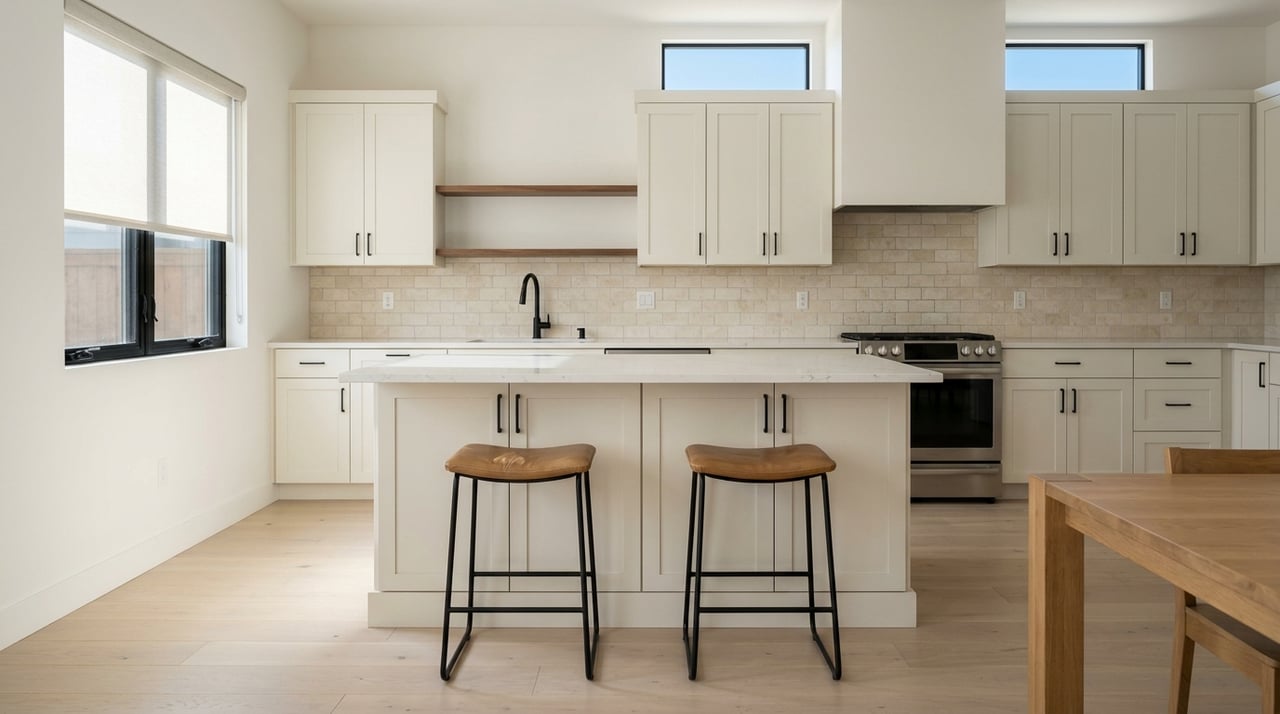
Strong marketing starts before the MLS entry is published. If buyers are going to make decisions online first, your home needs to look clean, well cared for, and ready for the camera. That prep work can shape both your first impression and your sale timeline.
National staging research supports that approach. In 2025, 83% of buyers’ agents said staging made it easier for buyers to picture a home as their future residence. Sellers’ agents also reported that staging could reduce time on market, and some saw it increase the dollar value offered.
A Smart Pre-List Checklist
For many Grand Junction sellers, the most useful prep steps are practical, not flashy. The goal is to make your home feel well maintained, bright, and easy to understand.
A local pro may suggest:
- Decluttering surfaces, storage areas, and main rooms
- Deep cleaning before photos and showings
- Handling minor repairs
- Touching up curb appeal
- Highlighting living areas, the primary bedroom, and dining space
- Scheduling professional photography before launch
That kind of prep fits how buyers shop today. Research shows photos, staging, videos, and virtual tours all play a meaningful role in helping buyers engage with a listing.
Photos and Online Exposure Do Heavy Lifting
Today, your online first impression is your first showing. Home buyers use the internet heavily during their search, and many begin there. NAR also reports that 81% of buyers rated listing photos as the most useful feature in their online search.
That is why listing presentation matters so much. The lead photo, the photo order, and the overall image quality can affect whether buyers click in or keep scrolling. A local pro should treat those details as part of your pricing and marketing strategy, not as an afterthought.
Why MLS and IDX Reach Matter
The MLS is the main system real estate professionals use to share listings locally, and IDX extends that exposure across broker websites and consumer-facing search experiences. For you as a seller, that means broad visibility when your home is entered into the MLS and distributed through those channels.
This fits Josh McGuire’s practical approach. With frequent MLS syndication and IDX visibility, the goal is to get your home in front of active buyers quickly and convert that attention into real conversations, showings, and offers.
Some sellers may hear about delayed-marketing or limited-exposure options. Those choices can reduce or postpone visibility through IDX and syndication, so it is important to understand the tradeoff before choosing a slower rollout.
In Colorado, Selling Is More Than Getting an Offer
Getting your home under contract is important, but it is not the finish line. In Colorado, the contract process includes key deadlines for inspections, inspection resolution, appraisal, insurance termination, closing, and possession. Once an offer arrives, your agent’s job shifts from marketing to coordination.
Colorado rules also require brokers to present all offers to the seller in a timely manner. That means your agent should help you review every offer carefully and compare more than just price.
How a Local Pro Helps You Compare Offers
A strong offer is not always the highest number on page one. You also want to understand how likely the buyer is to reach closing on time and on terms that work for you.
A local pro can help you compare:
- Offered price
- Financing strength
- Inspection risk
- Appraisal risk
- Requested closing timeline
- Possession timing
- Other contract terms that affect certainty and convenience
That project-management role is a big part of the value. It keeps deadlines on track and helps reduce surprises between contract and closing.
Disclosures Should Happen Early, Not Late
Colorado sellers should complete the Commission-approved residential Seller’s Property Disclosure based on their current actual knowledge before or during launch, not after an offer shows up. Early disclosure helps create a smoother process and gives buyers a clearer picture of the property.
Colorado law also requires brokers to disclose adverse material facts actually known to them, including defects and environmental hazards. That is one more reason a local pro will encourage accurate prep, realistic pricing, and organized paperwork from the start.
What This Looks Like in Grand Junction
In Grand Junction, pricing and marketing work best as one connected system. You price from local comps and the right segment of the market. You prepare the home so photos and showings support the price. You launch with strong MLS and IDX exposure, then manage offers and deadlines with care.
That is the difference between simply listing a home and actually positioning it to sell. A local agent should act like both a market analyst and a project manager, helping you move from planning to closing with a clear, practical strategy.
If you want a straightforward plan for pricing, preparing, and marketing your home in Grand Junction or Mesa County, connect with Josh Mcguire for a quick market consult.
FAQs
How does a local pro price a home in Grand Junction?
- A local pro studies recent closed sales in your neighborhood or micro-area, then checks active and pending listings in the same price range, property type, condition, and HOA setup to set a competitive launch price.
Why is the median price more useful than the average price in Grand Junction?
- The March 2026 market snapshot shows the average sold price was much higher than the median sold price, which suggests higher-end sales can skew the average upward and make the median a better guide for many sellers.
What marketing steps matter most when selling a home in Mesa County?
- The biggest steps are practical prep, professional photography, strong MLS exposure, IDX visibility, and clear online presentation so buyers can quickly understand the home and its value.
Why do listing photos matter so much for a Grand Junction home sale?
- Buyers rely heavily on online search, and listing photos are one of the most useful features in that process, so image quality, lead photo selection, and photo order can affect buyer interest.
What should Colorado sellers do before listing a home?
- Colorado sellers should prepare the home, gather property details, and complete the Commission-approved Seller’s Property Disclosure to their current actual knowledge before or during the listing launch.
How does a local agent help after a Grand Junction home gets an offer?
- A local agent presents offers promptly, helps you compare price and terms, tracks contract deadlines, and coordinates the process through inspections, appraisal, lending, closing, and possession.